Saturday, September 20, 2025

The Controversial "Black Mirror" Public Restrooms in China: Toilet Paper Access Controlled by Advertisements


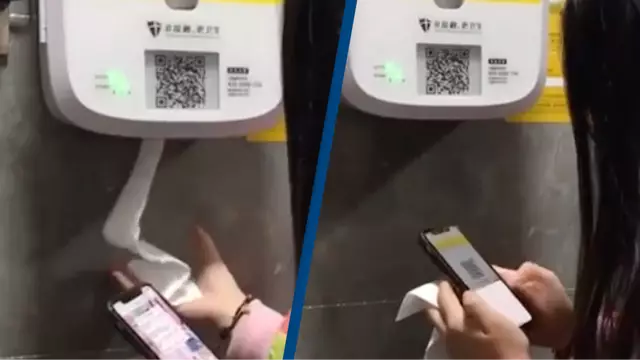
The intersection of technology, consumerism, and public amenities has sparked heated debates worldwide, particularly in China, where an innovative, yet dystopian system for distributing toilet paper in public restrooms is causing outrage. In a move that some are calling a real-life "Black Mirror" moment, Chinese authorities have introduced a public restroom system that requires users to watch a 30-second advertisement before they can access toilet paper. The controversy has ignited passionate online discussions, drawing comparisons to the chilling technology-driven world of the hit show Black Mirror.

In this article, we delve deep into the mechanics of this new system, its societal implications, and the global reaction to what many are calling an intrusive and unsettling innovation in public amenities.

A New Era of Public Restroom Technology in China

China has always been known for its rapid technological advancements, particularly in the integration of technology into everyday life. However, the latest innovation within the realm of public facilities—specifically toilets—has raised eyebrows across the globe. The system in question involves a toilet paper dispenser equipped with a QR code that must be scanned by the user. Upon scanning, the user is required to watch a 30-second advertisement before being granted access to a set amount of toilet paper.

The Mechanics of the Toilet Paper Dispenser

The device is straightforward in its design: a QR code is placed on the toilet paper dispenser, which users must scan using their smartphones. Once the ad plays, the system dispenses a predetermined number of toilet paper squares. The catch, however, is that users who require more toilet paper are forced to either endure another advertisement or pay a small fee (roughly 6 cents) to bypass the ad and access more paper. This model, according to Chinese authorities, is intended to reduce waste by limiting the amount of paper given to each user.

Technological and Social Context in China

To fully understand the rationale behind this system, it's important to consider the broader cultural and logistical context in which it has been introduced. Public toilets in China are notorious for not providing toilet paper, particularly in older or less-developed areas. In many public restrooms, users are expected to carry their own toilet paper or purchase it from nearby vendors.

A Historical Lack of Paper in Public Restrooms

This lack of toilet paper is not an anomaly. In fact, it is quite common for travelers and locals alike to carry their own tissue packs while navigating public spaces in China. The problem lies in the limitations of the country's sanitation infrastructure, which in many cases cannot accommodate large-scale toilet paper dispensers due to plumbing constraints. As a result, the government has implemented a system where toilet paper is treated as a commodity, available only to those who either scan the QR code, watch an advertisement, or pay a small fee.

In the context of this longstanding practice, the new ad-based system may be seen as an improvement in certain urban areas where public toilet paper was once scarce.

The Public Outcry: A "Black Mirror" Reality?

While the idea of watching an advertisement to access a basic human necessity such as toilet paper may seem absurd to many, the system has ignited a firestorm of criticism online. Reddit users, in particular, have expressed outrage at the thought of having to engage with a commercial simply to obtain a sanitary product. In fact, some have drawn direct comparisons to the dystopian world of Black Mirror, where everyday objects and experiences are commodified to an extreme degree.

User Reactions and Criticisms

On Reddit, the response has been overwhelmingly negative, with users voicing their frustration about the system. One user commented, "This would last about 5 seconds in America before it got smashed and the paper was just forcefully taken out." Another user added, "I would smash it on principle, and I'm pretty sure I have a key on my keyring capable of opening it."

The most vocal criticisms, however, stem from the perceived violation of privacy and the sense of "surveillance capitalism" that the system evokes. By forcing users to scan a QR code and watch an advertisement before gaining access to basic services, many feel that they are being coerced into engaging with invasive marketing tactics in the most private of spaces.

The "Dystopian" Nature of the System

Many commenters on Reddit and other online forums have likened the system to scenes from Black Mirror, a show known for its portrayal of dark, technology-driven futures. In particular, the ad-based toilet paper dispenser is seen as an unsettling metaphor for the increasing commercialization of even the most intimate aspects of human life.

Despite the negative reactions, some individuals have pointed out that this system is merely a reflection of China's ongoing efforts to integrate technology into every facet of life, including basic services like restroom usage. However, for many, the intrusion of ads into such a private and vulnerable moment represents a step too far.

The Economic and Environmental Implications

While the public outcry over the ad-based toilet paper dispenser has been intense, there are certain economic and environmental aspects to this innovation that merit further exploration. The introduction of this system can be viewed as part of China's broader efforts to address issues of waste management and sustainability.

Reducing Toilet Paper Waste

One of the primary goals behind this ad-based model is to curb wastefulness. Chinese authorities have long been concerned about the amount of toilet paper that is taken by individuals in public restrooms, especially in larger cities where high volumes of people use public toilets daily. By linking access to paper with a commercial or a payment, authorities hope to limit the amount of tissue that users take, ultimately reducing waste and cutting costs.

A New Model for Public Amenities

The integration of technology into everyday services is a growing trend, and China's adoption of this ad-based system reflects a larger shift towards monetizing public infrastructure. Whether this model will be effective in the long term remains to be seen. However, it opens up a broader conversation about the role of advertising and technology in shaping public amenities. Is it ethical to use ads as a mechanism to control access to basic needs like toilet paper?

A Global Perspective: Could This Happen Elsewhere?

While the public toilet system in China is a product of its unique cultural and infrastructural challenges, the question remains: could this system be replicated in other parts of the world?

The US and Europe: A Different Reaction?

In Western countries, the reaction to such a system would likely be much more extreme. The United States, for example, has a long history of consumer rights and privacy protection. The idea of forcing people to watch ads for essential items would likely be met with legal challenges and widespread backlash.

Moreover, public attitudes towards privacy are generally more stringent in these regions, and the idea of being surveilled while using a public restroom may be perceived as an unwarranted invasion of privacy. The system's potential for abuse—such as tracking users' movements or personal data—would also be a significant concern.

Could Ads Become a New Norm in Public Spaces?

While the implementation of such a system in the West seems unlikely in the short term, it raises intriguing questions about the future of advertising in public spaces. Could we one day see ads in places like public buses, elevators, or even grocery store aisles? With the rapid growth of digital billboards and interactive displays, it's not entirely outside the realm of possibility.

A Step Too Far or a Necessary Innovation?

The introduction of the ad-based toilet paper dispenser in China has sparked an important debate about the role of technology and advertising in our daily lives. While some view the system as a necessary innovation to address toilet paper waste, others see it as an invasion of privacy that blurs the lines between public amenities and commercial exploitation.

As China continues to experiment with integrating technology into everyday life, the world will be watching closely to see how this system evolves. Will it become a model for other countries, or will it remain a controversial outlier in the global landscape of public restrooms?

Investigating Budget Insertions: Scrutiny of Senators Villanueva, Estrada, and Lacson's Allegations


The ongoing investigation into alleged budget insertions within the Philippine government has captured public attention, particularly the involvement of Senators Joel Villanueva and Jinggoy Estrada. Despite their public denial of any wrongdoing, accusations from former Department of Public Works and Highways (DPWH) assistant district engineer Brice Hernandez have raised serious concerns about the transparency and legality of certain budget allocations. Senate President Pro Tempore Panfilo Lacson’s involvement in the investigation has added another layer of complexity to the unfolding story. This article examines the key details of the probe, the allegations made against the senators, and the larger implications of budget insertions in the Philippines.

Allegations Against Senators Villanueva and Estrada

At the heart of the controversy are accusations made by Brice Hernandez, who alleged that Senators Joel Villanueva and Jinggoy Estrada were involved in securing substantial amounts for flood control projects in Bulacan in exchange for kickbacks. Hernandez claimed that Villanueva maneuvered to allocate P600 million, while Estrada allegedly pushed for P355 million in funding for the region. In exchange, both senators were accused of demanding a 30-percent cut of the funds.

Both Villanueva and Estrada have vigorously denied the allegations. They have even volunteered to open their bank accounts as a gesture of transparency to prove their innocence. However, the accusations have sparked heated debates, with critics pointing out the irregularities in the budget allocation process, particularly with regard to infrastructure projects.

The Role of Senator Panfilo Lacson in the Investigation

Senator Panfilo Lacson, the chair of the Senate Blue Ribbon Committee, has played a pivotal role in overseeing the investigation. Lacson has expressed his frustration with Hernandez’s testimony, particularly his “selective memory” on key details. The senator emphasized that while Hernandez’s allegations are concerning, it is essential for him to provide a full and honest account of his involvement in the matter.

During a Senate hearing, Lacson revealed troubling details about the 2023 national budget, including the discovery of seven or eight unprogrammed items totaling P600 million. These allocations were identified as being linked to flood control projects, which further substantiated Hernandez’s claims about the existence of budget insertions. Lacson also pointed out that an additional P355 million in flood-control-related insertions was found in the 2025 national budget, heightening concerns over the long-term implications of such practices.

The Debate Over Accountability and Transparency

The allegations have raised critical questions about the accountability of public officials and the transparency of government spending. In a democratic system, the public has the right to expect their elected officials to act with integrity and in the best interests of the people. Budget insertions, particularly those tied to infrastructure projects, can result in misallocated funds, inefficiency, and potential corruption. The ongoing investigation into Villanueva and Estrada highlights the need for greater scrutiny of how public funds are distributed and utilized.

Lacson has made it clear that no one will escape accountability. While some have expressed doubts about the credibility of the investigation, Lacson’s stance remains firm: if the allegations are substantiated, those responsible must face the consequences, regardless of their political standing or position.

The Case of Brice Hernandez: Accuser or Whistleblower?

A central figure in this investigation is Brice Hernandez, whose testimony has been both pivotal and controversial. Hernandez has alleged that certain individuals, including members of Senator Estrada’s staff, were involved in the kickback scheme. However, Hernandez’s statements have raised questions about his credibility, particularly his inability to provide concrete evidence of any direct transactions between the senators and the alleged kickback recipients.

During the hearing, Hernandez admitted that he could not definitively claim that Mina Jose, a key figure in the case, had delivered kickbacks to Estrada. Instead, he suggested that the payments were made to a “proponent” linked to the projects. This vagueness in Hernandez’s account has led some to question whether his allegations are grounded in fact or if they are part of a broader political maneuver.

Despite these uncertainties, Hernandez’s testimony has sparked a broader discussion about the integrity of the infrastructure projects being funded by the national budget. Critics argue that the lack of clear accountability in such projects makes them ripe for misuse, with funds often being diverted to those with political influence.

The Legal and Political Implications of Budget Insertions

The investigation into budget insertions touches on significant legal and political issues. From a legal perspective, if the accusations against Villanueva and Estrada are proven true, they could face serious consequences under Philippine law. Corruption, particularly in the form of accepting kickbacks or manipulating public funds, is a serious offense with severe penalties.

Politically, the case also has the potential to impact the careers of the two senators. The public perception of their involvement in corrupt practices could lead to a loss of trust, which may affect their political future. For Villanueva, who has positioned himself as a reformist, and Estrada, whose political legacy has already been marked by controversies, the outcome of this investigation could shape their careers in the years to come.

Calls for Reforms in the Budgeting Process

The investigation has sparked calls for reforms in the budgeting process, particularly with regard to how infrastructure projects are allocated. Critics argue that the current system is opaque and allows for the manipulation of funds for political gain. To address these concerns, several lawmakers and civil society organizations have called for greater transparency in how public funds are allocated and tracked. They argue that a more robust system of checks and balances is necessary to prevent the misuse of taxpayer money.

One potential reform could involve the introduction of a more detailed and transparent budgeting process, where all proposed projects are publicly disclosed and subject to independent oversight. Additionally, implementing stricter rules around budget amendments and insertions could help to ensure that funds are allocated based on merit and need, rather than political connections.

The Need for Greater Accountability and Transparency

The investigation into the alleged budget insertions by Senators Villanueva and Estrada is far from over. As more evidence is presented and testimony continues, it is crucial that the inquiry remains transparent and impartial. The public deserves to know whether the senators are guilty of corruption or if they have been unjustly accused. Regardless of the outcome, this case highlights the urgent need for reforms in the budgeting process to ensure that public funds are used effectively and in the best interests of the Filipino people.

The Unlikely Heroes: A Remarkable Story of Courage, Loss, and Redemption


In a world often defined by division, it’s rare that we encounter moments where stark contrasts—whether social, economic, or personal—collide in a way that rewrites the narrative of lives. The story of Amara Johnson, a 12-year-old girl, and Richard Coleman, a millionaire real estate tycoon, is one such extraordinary tale. A story that goes beyond chance encounters and speaks deeply to the power of human compassion, courage, and the healing force of connection.

The Flight That Changed Everything

On a flight from Atlanta to New York, most passengers were preoccupied with their phones, the noise of the engines, or simple thoughts about their day. Among them was Amara, a young girl traveling alone after the tragic death of her mother. Her heart weighed heavily, burdened with grief as she journeyed to live with an aunt she barely knew. The circumstances of her journey weren’t of her choosing. Her shoes were worn and her clothes tattered, yet within her heart burned an undeniable strength.

At the front of the plane, in the plush comfort of the first-class section, sat Richard Coleman—a billionaire real estate magnate known for his cold demeanor. His towering empire of skyscrapers had earned him the nickname "The Ice King." But his wealth and success came at the cost of his personal life, leaving him a figure often shrouded in mystery and solitude. He was on his way to a high-stakes meeting with investors that could decide the future of his vast fortune.

But then, an unforeseen emergency shook the plane.

A Life-Saving Act of Bravery

Midway through the flight, Richard Coleman suddenly clutched his chest and collapsed, his body betraying him in the most unexpected of circumstances. Panic erupted across the cabin. The flight attendant’s frantic cry—“Is there a doctor on board?”—was met with a silence that reflected the passengers' growing dread. Amidst this chaos, one small voice rose above the fear and uncertainty.

Amara, though only twelve, stood up with unwavering resolve. In her memory echoed the CPR lessons her mother had taught her in the hope that she could one day save someone’s life. In a blur of action, Amara pushed through the stunned passengers and knelt beside the fallen billionaire.

“Lay him flat,” she commanded, her voice calm but firm despite her own trepidation. She tilted his head, interlaced her fingers, and began performing chest compressions.

One. Two. Three.

The cabin watched in stunned silence as this young girl—who had already endured so much loss—fought to save a life. Her movements were methodical, precise. Time seemed to stretch as the flight attendants rushed to assist, but it was Amara’s steady hands that made the difference. Minutes passed, then Richard gasped. His chest rose again. Slowly, color returned to his face, and the collective sigh of relief from the passengers was audible.

Amara, exhausted and shaking, returned to her seat, her heart still racing. The plane buzzed with whispers of awe: A poor girl had saved a millionaire’s life.

A Heartfelt Revelation

Upon landing in New York, Richard was swiftly taken away by medical personnel. But amidst the chaos, as he was being wheeled out of the airport, his eyes locked onto Amara’s. His lips moved, and though the noise of the airport was overwhelming, Amara caught a glimpse of something profound in his gaze.

She assumed he had simply whispered a quiet “thank you.” But in truth, his words were much more than that.

The next morning, Amara found herself stranded outside LaGuardia Airport. Her aunt, who was supposed to meet her, never arrived. She had no phone, no money, and no way of contacting anyone. She was alone, just a young girl lost in the vast city of New York, with nothing but a faded backpack to hold onto.

Then, in a twist of fate, a black SUV pulled up, and two suited men stepped out, followed by Richard Coleman—pale but very much alive. He walked slowly with a cane, the reality of his near-death experience still lingering in his body.

"You saved my life," he said hoarsely, his eyes filled with a mix of gratitude and something deeper—regret.

Amara, overcome with emotion, lowered her gaze. “I just did what my mom taught me.”

Richard sat down beside her on the cold bench, and for a long moment, the two of them simply sat in silence. It was then that Richard, for the first time in years, spoke of the pain he had buried for so long.

"I should have saved my own daughter... but I didn't. You reminded me of her."

The confession hit Amara like a wave. Richard’s daughter had tragically died years earlier from a drug overdose, a loss that haunted him daily. He had been absent from her life when she needed him the most, and the guilt of that failure was something he carried with him—just as Amara carried the grief of losing her mother.

In that moment, a deep bond formed between the two. The walls that separated their worlds—those of wealth and poverty, success and struggle—began to crumble. In Richard’s pain, Amara found a reflection of her own, and in her compassion, Richard found a path to redemption.

A Relationship Transformed

What began as an act of courage on a plane soon evolved into something far more meaningful than either could have anticipated. Richard, deeply moved by the girl who had saved his life, made an unexpected decision.

“You’re not staying out here tonight. Not alone,” he insisted, gesturing to his driver.

With that, Amara’s life took an extraordinary turn. She left behind the cold bench and entered the warmth of Richard’s Manhattan penthouse—a stark contrast to the hardship she had known. For Richard, opening his home to Amara was a way to right the wrongs of his past. For Amara, it was the beginning of a new chapter, where instead of feeling abandoned, she felt seen and loved.

In the following weeks, something remarkable happened. The man once known as “The Ice King” began to thaw. Richard canceled business meetings to attend Amara’s school events. They went to simple diners instead of posh restaurants. He asked her about her dreams, her hopes, and the mother she had lost. He listened in a way that he hadn’t in years, and Amara found herself growing close to a man who was now becoming a father figure—a second chance for both of them.

Facing the Public Eye

As their bond deepened, the media began to take notice. Headlines exploded: “Billionaire Lives with Girl Who Saved Him on Flight.” Cameras followed them everywhere, and the public was quick to offer their opinions. Some questioned Richard’s motives, accusing him of using Amara’s story for publicity, while others doubted the authenticity of her account.

Amara, overwhelmed by the attention, broke down one night. "They’ll never believe me. They’ll say I don’t belong."

Richard, ever the protector, knelt beside her. "Let them say what they want. You’re not a headline. You’re my second chance."

And with that promise, Richard took the final steps to ensure that Amara would have a future. When it became clear that her aunt was not coming for her, Richard filed for legal guardianship. Social workers, initially skeptical, couldn’t deny the deep emotional connection between them. Richard wasn’t trying to replace his own lost daughter—he was honoring her memory by becoming the father he had failed to be.

A New Beginning

Months later, Amara stood beside Richard at a charity gala for underprivileged children, her simple blue dress contrasting with the luxury surrounding them. In front of the cameras, Richard proudly introduced her as his daughter, and for the first time in years, the public saw Richard Coleman not as the ruthless businessman, but as a man who had been given a second chance at redemption.

Amara had saved more than just a life—she had helped heal a broken soul. And in return, she had found what she needed most: a family, a future, and a love that had the power to heal two wounded hearts.


This story is a poignant reminder of the unexpected ways in which life can change. It speaks not only to the resilience of the human spirit but also to the profound impact that compassion, love, and second chances can have in transforming lives. From tragedy to triumph, it illustrates that sometimes the smallest acts of courage can have the most profound effects.

Why Leaving a Charger Plugged In is More Harmful Than You Think: The Top 6 Reasons to Unplug


In our daily lives, certain habits and small oversights go unnoticed, yet they have significant consequences. One such habit is leaving phone chargers plugged into electrical outlets when not in use. It may seem like a trivial action, but the effects are far-reaching, ranging from financial waste to potential safety hazards. Let's delves into the hidden costs and risks of leaving chargers plugged in and outlines practical steps for mitigating these issues.

1. Phantom Power Drain: The Hidden Energy Cost of Idle Chargers

A charger left plugged into the wall may seem harmless, but it continues to draw power even when it is not actively charging a device. This phenomenon is known as "phantom load" or "standby power." According to studies by the U.S. Department of Energy, many devices—chargers included—consume electricity even when switched off or not in use. The U.S. households collectively lose approximately $19 billion each year to standby power, with the average home spending about $165 annually on energy that does not serve any purpose.

Environmental Impact of Phantom Power

This ongoing energy consumption does more than inflate electricity bills. It also puts unnecessary strain on the power grid and contributes to carbon emissions. For every watt of unused electricity drawn by idle electronics, additional fuel must be burned at power plants, leading to higher emissions and greater environmental degradation. By simply unplugging chargers when they are not in use, we can help conserve energy, reduce greenhouse gas emissions, and alleviate pressure on the power grid.

2. Fire Hazards: The Risk of Overheating Chargers

While it may seem that an idle charger is dormant, it can still generate heat, especially if it is an older model or from an uncertified brand. Over time, this heat can accumulate, creating a fire hazard in the home. According to the National Fire Protection Association (NFPA), electrical malfunctions from small electronics are responsible for thousands of residential fires annually. Chargers left plugged in—particularly near combustible materials like bedding, curtains, or papers—are at risk of causing fires, even when they are not actively charging a device.

How to Reduce Fire Risks

To minimize the risk of electrical fires, make it a habit to unplug chargers after use. If you must leave them plugged in, ensure they are positioned away from any flammable materials and in well-ventilated areas. This simple precaution can prevent fire risks and improve the overall safety of your home.

3. Shortened Charger Lifespan: How Idle Chargers Contribute to Wear and Tear

It’s not just the power grid or your electricity bill that suffers when you leave a charger plugged in—it also impacts the longevity of the charger itself. Even when not actively in use, a charger still receives a small flow of electricity. This constant current gradually degrades internal components like capacitors and wires, leading to diminished efficiency and eventual failure.

The Financial and Environmental Costs of Charger Failure

A charger that breaks down prematurely adds to the growing issue of electronic waste, contributing to the environmental burden. Replacing chargers more often also adds financial strain, especially when considering the environmental cost of manufacturing and disposing of these devices. By unplugging chargers when not in use, you not only extend the lifespan of the charger but also reduce unnecessary electronic waste.

4. Indoor Air Quality Issues: The Hidden Dangers of Overheating Chargers

Charger components, especially those made from plastic and electronic materials, can release volatile organic compounds (VOCs) such as formaldehyde and benzene when they overheat. According to the U.S. Environmental Protection Agency (EPA), exposure to VOCs can contribute to poor indoor air quality, which may lead to respiratory issues, especially for vulnerable groups such as children, the elderly, or those with asthma.

Improving Indoor Air Quality by Unplugging Chargers

To minimize exposure to harmful chemicals, unplug chargers when they are not in use. Ventilating the room properly and opting for certified chargers can also reduce the presence of harmful VOCs. Being mindful of these small adjustments can significantly improve the indoor air quality and overall health of your household.

5. Safety Hazards for Children and Pets: The Risk of Electric Shock and Burns

While most people think of chargers as relatively harmless, they can pose significant risks to children and pets. Young children are often curious and may attempt to play with cords or insert objects into charging ports, leading to the risk of electrical shock or burns. Pets, especially puppies, are also notorious for chewing on cables, which could result in electric shocks or even fires if the charger is still plugged into the outlet.

How to Keep Your Home Safe

To safeguard your household, particularly young children and pets, it is crucial to unplug chargers when they are not in use. Additionally, keep cords out of reach or use cord organizers to reduce the risk of accidental contact. These simple steps can significantly enhance safety and reduce the likelihood of dangerous accidents.

6. The Growing Problem of E-Waste: Chargers and the Environment

Every year, billions of electronic devices, including chargers, are discarded, contributing to the ever-growing problem of electronic waste (e-waste). According to Natural Resources Canada, unnecessary energy consumption—such as the phantom load caused by idle chargers—accelerates the cycle of e-waste, leading to more discarded devices and increased environmental strain. Chargers, which are often discarded prematurely due to wear and tear, further exacerbate the issue.

Steps to Reduce E-Waste

By unplugging chargers when not in use, you can extend their lifespan and prevent unnecessary replacements, thus reducing the amount of electronic waste produced. Additionally, consider purchasing ENERGY STAR-certified chargers and electronics with low standby power usage to further mitigate e-waste and minimize your environmental impact.

Practical Tips for Safer and Smarter Charging

Being aware of the hidden costs of leaving chargers plugged in is just the first step. To make a real difference in your energy consumption, safety, and environmental footprint, here are some practical steps you can take:

1. Use Power Strips with On/Off Switches

Instead of unplugging each charger individually, consider plugging multiple chargers into a power strip with an on/off switch. This allows you to cut power to several devices with a single flick of a switch, reducing phantom load and simplifying the process of turning off electronics when not in use.

2. Set Reminders to Unplug Chargers

Habits often form through repetition. Set a reminder on your phone to unplug chargers at night or whenever they are not in use. This small step can go a long way in reducing unnecessary energy consumption and improving household safety.

3. Choose Energy-Efficient Chargers

When purchasing new chargers, look for products that are ENERGY STAR certified or that have low standby power usage. These chargers are designed to minimize the amount of wasted energy, saving you money and reducing your environmental footprint.

4. Designate a Storage Area for Chargers

Create a specific place to store chargers when they are not in use. This will help keep cords organized, reduce clutter, and ensure they are out of reach from children and pets. A designated storage area can also make it easier to remember to unplug them when not in use.

5. Track Your Energy Usage

Consider using smart plugs or energy monitoring devices to track your home’s energy consumption. These tools provide real-time feedback on how much power is being used by devices that are plugged in but not actively in use, reinforcing the importance of unplugging electronics.

Small Changes, Big Impact

The simple act of unplugging a charger may seem trivial, but when done consistently, it can have significant benefits for your finances, safety, and the environment. By reducing phantom load, preventing fire hazards, extending the lifespan of your devices, and cutting down on electronic waste, you contribute to a safer, smarter, and more sustainable future. As we become more conscious of the impact of our daily habits, we can make a positive difference—one unplugged charger at a time.

Wednesday, September 17, 2025

Auto Loan Refinance Calculator

Auto Loan Refinance Calculator

Auto Loan Refinance Calculator

Tuesday, September 16, 2025

Math Solver

Math Solver

Math Solver


Sunday, September 14, 2025

Polymath Mirror — Prototype

Polymath Mirror — Single Column

Polymath Mirror — Prototype

speak like a lawyer · observe like a detective · create like an artist

Dossier Evidence log

Atelier — Blackout Poem

Paste a paragraph and produce a short poem
Poem

Canvas — Sketch & Save

Draw, then export

Console (work like an engineer)

Prototype built with Canvas & Web Audio — single column layout